New Zealand Retirement Age Update – New Zealand is preparing for a significant shift in its retirement landscape as the government moves to raise the pension eligibility age from 67 starting in 2026. This change directly affects older citizens who rely on New Zealand Superannuation as a core source of income in later life. The adjustment is part of broader efforts to manage rising life expectancy, long-term public spending, and workforce participation. For seniors nearing retirement, understanding what is changing, who will be affected, and how to prepare financially is essential to avoid uncertainty and ensure stability during old age.
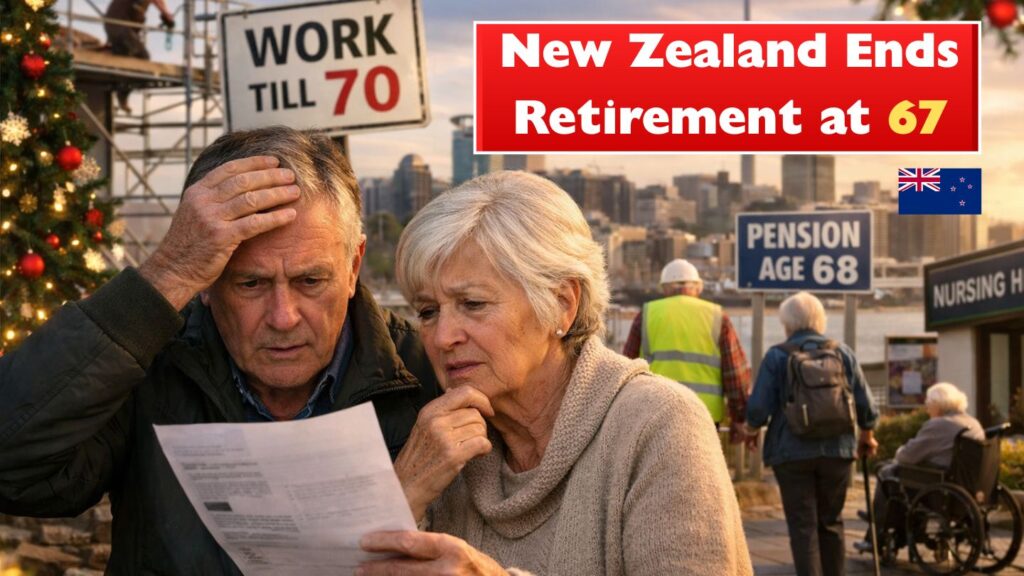
New pension age change for seniors across New Zealand
The updated retirement age policy means that individuals across New Zealand will need to wait longer before qualifying for the government pension. Under the new rules, the age threshold will gradually shift to 67, giving people time to adapt their retirement planning. The government has stated that the change reflects longer life spans and increasing pressure on public finances. For older residents, this could mean remaining in the workforce slightly longer or relying on personal savings for an extended period. Transitional arrangements are expected to protect those close to retirement, ensuring the shift is steady rather than sudden.
How the New Zealand government pension update affects older citizens
For older New Zealanders, the confirmed pension age increase brings both challenges and planning opportunities. Those born after a specific cutoff year will be most affected, as they may need to adjust retirement timelines by one to two years. The New Zealand government has emphasized that existing recipients will not lose payments, and current beneficiaries will continue under existing rules. However, future retirees should reassess KiwiSaver balances, private pensions, and employment options. This policy shift encourages longer workforce participation while aiming to maintain the long-term sustainability of public retirement support.

| Category | Details |
|---|---|
| Current Pension Age | 67 years |
| New Effective Year | From 2026 onward |
| Affected Group | Future retirees and working seniors |
| Existing Recipients | No change to current payments |
| Key Purpose | Long-term pension system sustainability |
Retirement planning changes for people living in NZ
People living in NZ who are approaching retirement age should now take proactive steps to adapt to the revised pension timeline. Financial advisors recommend reviewing household budgets, increasing voluntary retirement savings, and considering part-time work options during the transition years. The change also places renewed focus on KiwiSaver contributions, which may help bridge the income gap before pension eligibility begins. For many older individuals, careful planning can reduce stress and preserve lifestyle choices. Staying informed about official updates and support programs will be crucial as the new pension age approaches.
Long-term impact of the pension reform on New Zealand residents
The long-term impact of the pension reform on New Zealand residents is expected to reshape how people approach work and retirement. With a higher eligibility age, more residents may choose flexible employment later in life, supporting both personal income and the national economy. Policymakers argue that the reform helps balance fairness between generations while keeping the pension system viable. For future seniors, the emphasis will increasingly be on combining public support with private savings. Understanding these structural changes early allows individuals to make informed decisions about old-age security.
Frequently Asked Questions (FAQs)

1. When will the new retirement age start in New Zealand?
The new pension age of 67 will begin applying from 2026 under the updated government policy.
2. Will current pension recipients lose their benefits?
No, individuals already receiving the pension will continue to get payments without changes.
3. Who will be most affected by the pension age increase?
Future retirees who have not yet reached pension age will be most impacted.
4. How can seniors prepare for the new retirement age?
By reviewing savings, increasing KiwiSaver contributions, and planning work options carefully.